
 Tanzania - Old Stone Town on Zanzibar


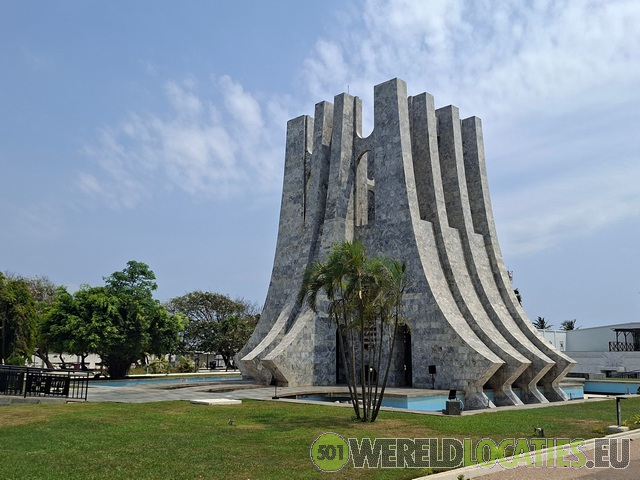
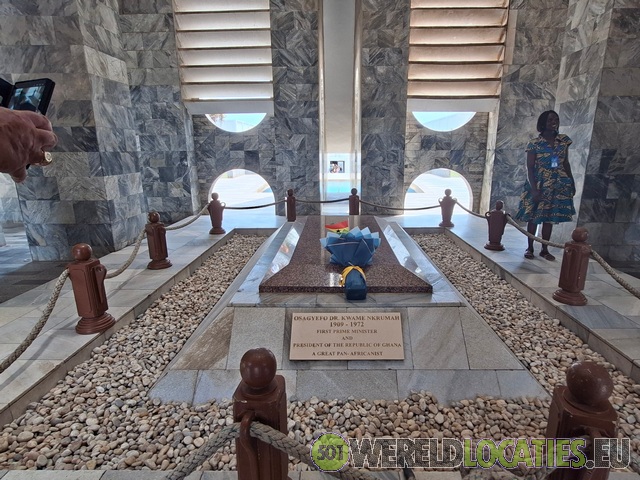
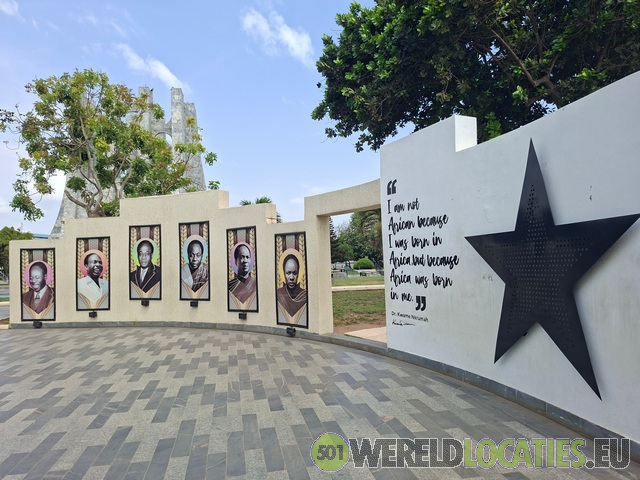
Foto: Kwame Nkrumah Memorial Park (bron: Ronald van der Veer)
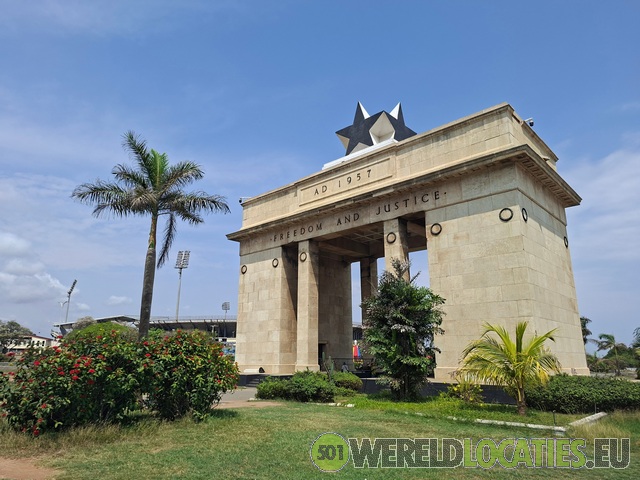
Ghana - It is still too early to check in at the hotel, so we start with a city tour of Accra. The city is busy, and traffic regularly comes to a standstill. George tells us that an opposition party demonstration is taking place elsewhere in the city, making traffic along our route even heavier. We pass through the Osu district. Oxford Street is home to casinos and nightclubs. According to George, this street is busy 24 hours a day, seven days a week. We arrive at Makola Market, the largest and most important market in Accra. We drive straight through it. There are all kinds of goods for sale on both sides of the road. Women carrying merchandise on their heads weave their way through the traffic. Vehicles have great difficulty getting through. Walking is clearly much faster. However, George points out that if we were to get off the bus here, people might lose their way and we would immediately be overwhelmed by vendors and beggars. Personally, I think it might not be quite that bad, but I understand that not everything is practical when travelling with a group. We also drive through James Town. This is where the Dutch, and later the British, established the city. I find this old neighbourhood rather disappointing. It looks deserted and run-down. My first impression even gives me a somewhat unsafe feeling. We have some free time this afternoon. I had considered taking a taxi back to this neighbourhood, but after seeing James Town, I abandon that plan. From the bus, I take one more photograph of the Lighthouse, the red-and-white lighthouse in James Town. We stop at Kwame Nkrumah Memorial Park. Fortunately, there are toilets here, as I am getting quite desperate by now. The park contains a monument dedicated to Kwame Nkrumah, Ghana's first president after the country gained independence in 1957. His mausoleum is located beneath the monument. The accompanying museum tells the story of his life and displays some of his most important speeches. Nkrumah was overthrown in a coup in 1966. He died in 1972 in Bucharest, Romania. After his death, his body was brought back to Ghana, where he was laid to rest. His wife, Fathia, was later buried in the same mausoleum. Black Star Square is a large parade ground close to the ocean. The most striking feature is the arch, known as the Independence Arch, standing in the middle of a busy traffic roundabout. At the top is a black star, which also appears on the Ghanaian flag. The black star symbolises the pride of the Black population.
Coastal Forts
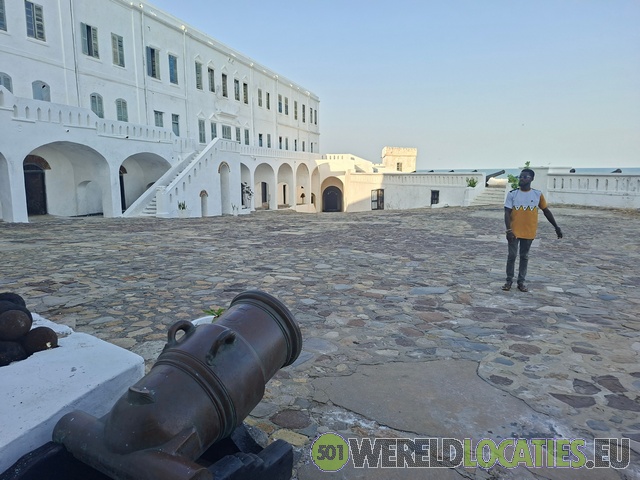
Ghana - Ghana’s Atlantic coast is lined with old forts and castles built by various European powers in the 17th century. The Cape Coast Castle was built for the slave trade and is one of the most impressive of the old forts in Ghana. It was originally built ...
The Kakum Canopy Walkway
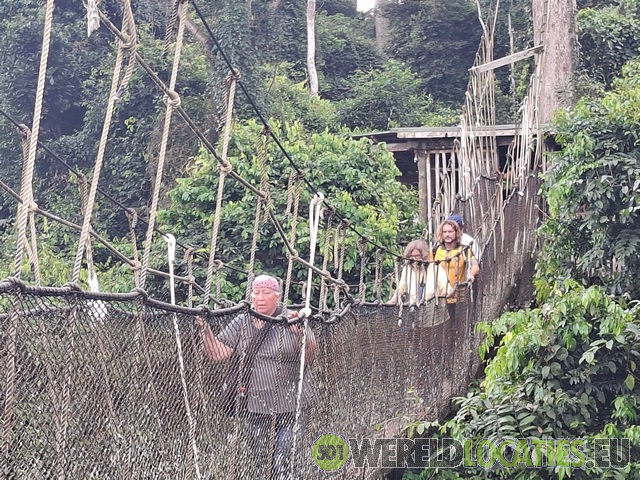
Ghana - It is not until around noon that we arrive at Kakum National Park. The park is located in the heart of Ghana's tropical rainforest. I follow the local guide into the park. He emphasises that we should walk slowly and stay together as a group. However, ...