

 Austria - Schonbrunn Palace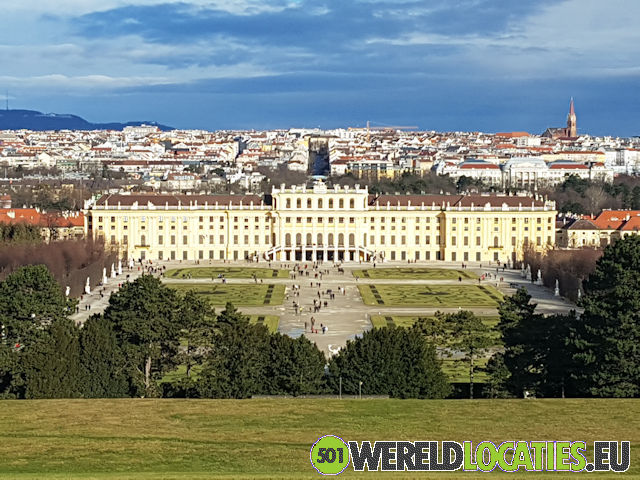


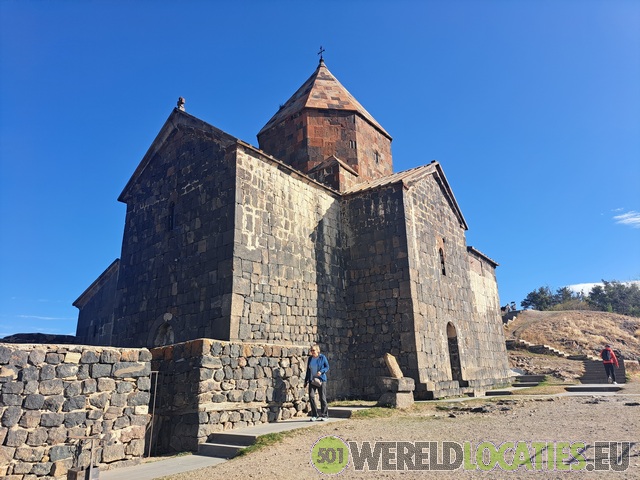
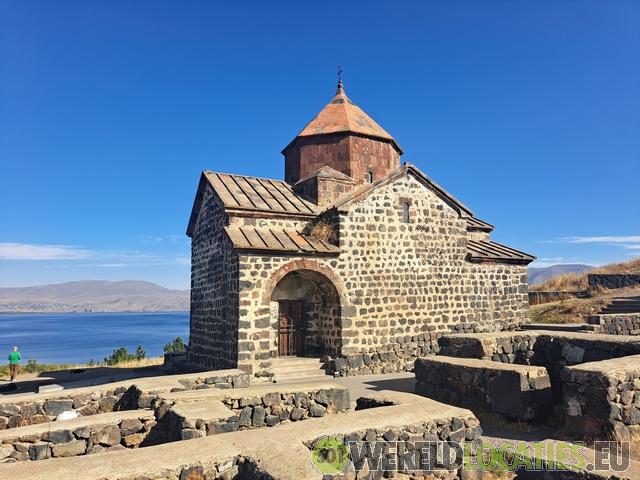
Foto: The Sevanavank Monastery at Lake Sevan (bron: Ronald van der Veer)
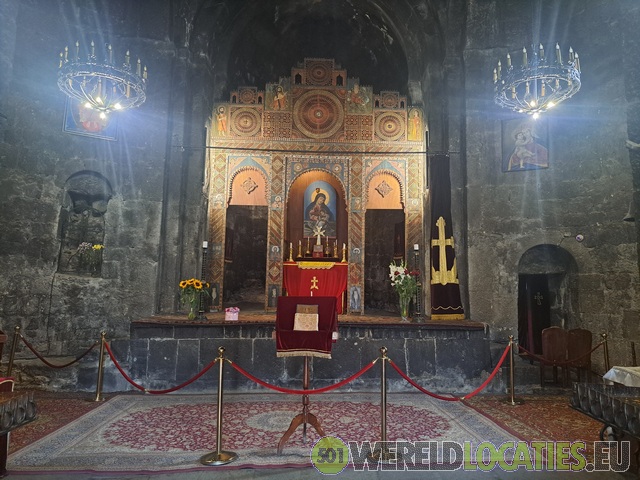
Armenia - The Sevanavank Monastery, also called Sevan Monastery, is situated on a picturesque peninsula on Lake Sevan, Armenia’s largest lake and one of the highest lakes in the world. At over 1,900 meters above sea level, it offers breathtaking views of the deep blue water and surrounding mountains. The serene setting makes Sevanavank one of Armenia’s most visited and photographed sites. The monastery was originally founded in 874 by Queen Mariam, daughter of King Ashot I, during the Armenian revival period. It initially stood on an island in the lake, but after the water level dropped during the Soviet era, it became connected to the mainland. In the Middle Ages, Sevanavank served as a refuge for monks and a spiritual center for worshippers seeking solitude. The complex once had multiple buildings, but today mainly two churches remain: the Church of the Holy Apostles (Surb Arakelots) and the Church of the Holy Mother of God (Surb Astvatsatsin). Both are built of dark basalt stone, providing a striking contrast with the bright blue lake and sky. The architecture is simple yet powerful, with thick walls, narrow windows, and conical roofs typical of Armenian ecclesiastical design. Inside, traces of frescoes and inscriptions remain, giving a sense of calm and devotion. In the Middle Ages, the monastery also had strategic importance, as monks could see approaching enemies from the peninsula. Later, it became a center for religious education and manuscript production. Today, Sevanavank is a popular destination for pilgrims and tourists alike. The climb to the monastery, via a staircase with dozens of steps, rewards visitors with panoramic views of the lake, especially magical at sunrise or sunset. Around the monastery stand several chachkars, Armenian cross-stones with intricate patterns. Sevanavank is not only a religious site but also a symbol of Armenian identity, where nature, history, and spirituality converge.
By cable car to the Tatev Monastery

Armenia - The Tatev Monastery is spectacularly situated on a rocky plateau above the deep gorge of the Vorotan River in southern Armenia. This medieval monastery complex, dating from the 9th century, was for centuries an important religious, cultural, and scientific ...
Holy Etchmiadzin of the Armenian Church

Armenia - The Mother Cathedral of Holy Etchmiadzin is a 4th-century Armenian church in the city of Ejmiatsin, Armenia. It is also the central cathedral of the Mother See of Holy Etchmiadzin of the Armenian Apostolic Church. The Etchmiadzin Cathedral is listed as ...
The Amenaprkich Church in Gyumri

Armenia - Gyumri, Armenia’s second-largest city, is known as the cultural heart of the country and is full of religious and architectural treasures. Despite the devastating earthquake of 1988, Gyumri has retained much of its historical charm. The city has several ...
The Cascade of Yerevan

Armenia - Yerevan, the capital of Armenia, is one of the oldest continuously inhabited cities in the world. Founded in 782 BCE, the city combines a rich history with a modern, vibrant atmosphere. Located at the foot of the mighty Mount Ararat, Yerevan offers a ...
The Geghard Monastery

Armenia - The Geghard Monastery, also known as Geghardavank, is one of Armenia’s most impressive religious monuments and is listed as a UNESCO World Heritage Site. The monastery lies deep in the picturesque Azat Valley, surrounded by steep cliffs and rugged mountains. ...
The Sanahin and Haghpat Monasteries

Armenia - The Sanahin and Haghpat monasteries are located in northern Armenia, in the Lori region, forming one of the most impressive religious and architectural complexes in the country. Both are UNESCO World Heritage Sites dating from the 10th and 11th centuries, ...