 Kyrgyzstan - Overnight stay in a yurt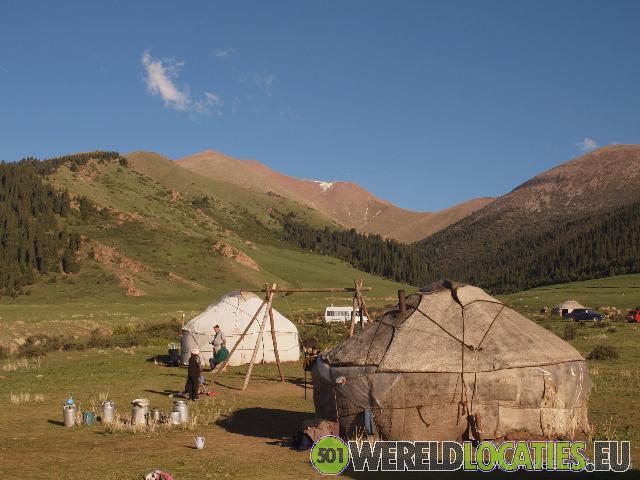


Foto: In the Resava caves (bron: Ronald van der Veer)
Serbia - With a total length of about 4.5 kilometers, of which over 800 meters are accessible to the public, the Resava Cave offers a spectacular underground world full of stalactite formations, crystal structures, and subterranean halls and galleries. During a guided tour, visitors descend up to 80 meters below ground, passing through impressive chambers such as the “Crystal Hall,” the “Hall of Giants,” and the “Coral Hall,” each showcasing unique geological features and vivid colors. The cave’s temperature remains constant throughout the year at approximately 7 degrees Celsius, with humidity levels averaging between 80 and 100 percent. This stable climate has contributed to the slow but breathtaking growth of stalactites, stalagmites, columns, and curtain-like formations. Some of these formations are millions of years old, with colors ranging from white and yellow to reddish brown—caused by iron and copper oxides. The Resava Cave is known for its exceptional beauty and excellent preservation. Thanks to carefully placed lighting, the rock formations are dramatically highlighted without damaging the natural environment. Visitors can admire formations that resemble trees, animals, or gothic columns—shapes that spark the imagination and have often been given mythical names. Tour guides also share stories and legends tied to the cave, adding an extra layer of atmosphere to the experience. Scientifically, the cave is of great importance. Geologists and speleologists have gained valuable insights into the geological history of the region. In some parts, fossils have been found, and the water flowing through the cave nourishes underground streams that contribute to the local ecosystem. Outside the cave, a visitor center provides information panels, a souvenir shop, and walking paths through the surrounding nature. Nearby, visitors can also explore natural attractions such as the Lisine Waterfall and the Resava Valley, making the area especially appealing to nature lovers and hikers.


Kalemegdan Fortress in Belgrade

Serbia - The Kalemegdan Fortress, also known as the Belgrade Fortress, is a historic fort and park complex situated at the confluence of the Danube and Sava rivers. Located on a rocky hill in the center of Belgrade, it is one of the city’s oldest and most significant ...
The Cathedral of Saint Sava

Serbia - The Church of Saint Sava in Belgrade, also known as the Temple of Saint Sava, is one of the largest and most impressive Orthodox churches in the world. Located on the Vračar plateau in the heart of Serbia’s capital, the building dominates Belgrade’s ...
The walled Manasija Monastery

Serbia - The Manasija Monastery, also known as the Resava Monastery, is one of the most important medieval monuments in Serbia. It is situated in a picturesque valley near the town of Despotovac, surrounded by forested hills in the heart of Central Serbia. The ...