

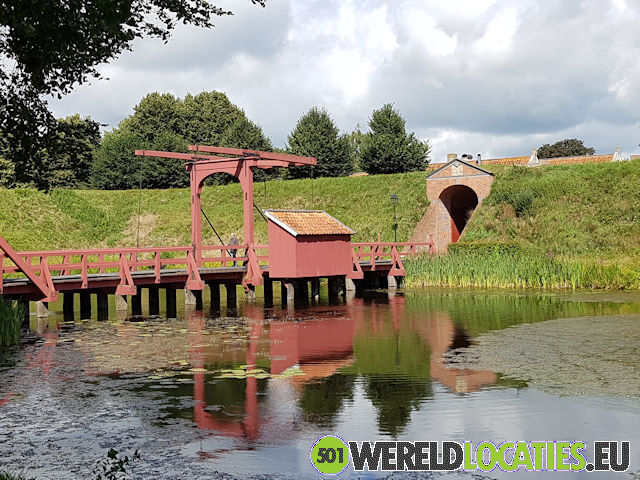
Foto: The entrance to the Bourtange fortress (bron: Ronald van der Veer)
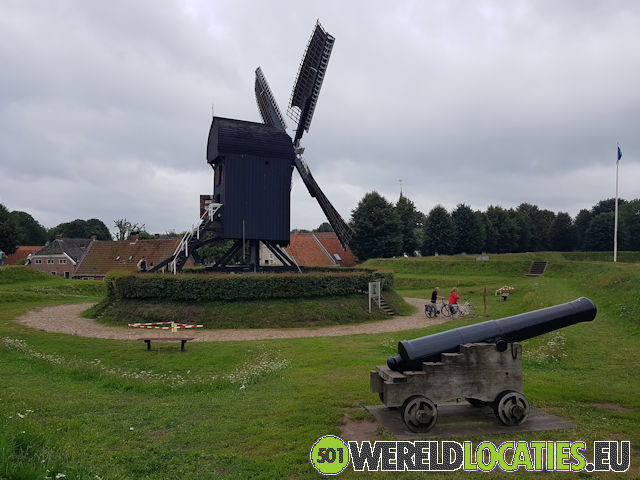
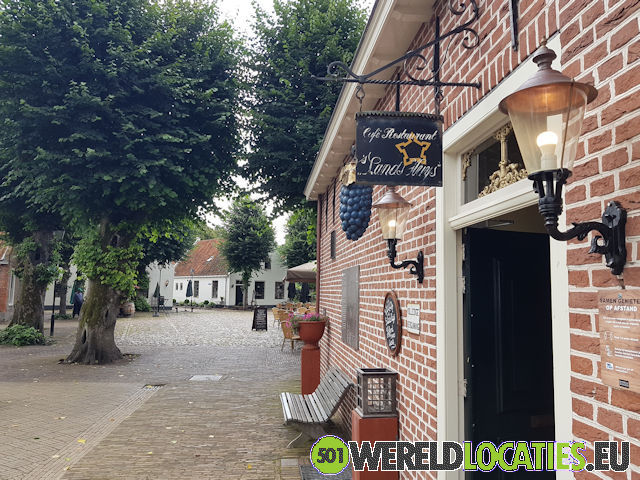
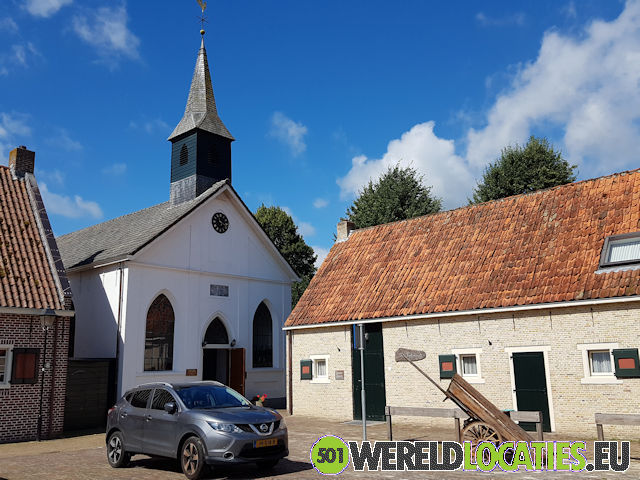
Netherlands - The Terra Mora museum explains why William of Orange, in his fight against the Spaniards, ordered the construction of Bourtange. The marshy area east of Groningen formed a natural defense for the city. Whoever controlled the paths—called the "Tanges"—through the swamp controlled the area. With a fortress, one could cut off supplies to Groningen, which was still in Spanish hands. After the Eighty Years’ War, Bourtange withstood attacks during the First Münster War. In 1672, the Prussians tried to attack the fortress from the east. This attack was also repelled. Due to newer military techniques, the fortress fell into disrepair. The surrounding marsh also dried up, allowing easy passage around the fortress. Bourtange lost its military status in 1851. The buildings were used as residences. Canals were filled in and ramparts leveled. In the 1960s, it was decided to restore the fortress to its original state. The result is a beautiful fortress that shows how the land was once protected here. I walk among the fortress buildings. I climb the fortress rampart. I see the fortress behind me and the canal in front of me. The Protestant church towers above the fortress. On the rampart stands a replica of the fortress windmill.
Video
Afsluitdijk Zuiderzee

Netherlands - The Afsluitdijk is an important flood barrier and traffic route in the Netherlands. The 32-kilometer-long dam separates the IJsselmeer from the Wadden Sea, which gives the dike its name. The traffic route, part of National Highway 7, connects North Holland ...
Camp Westerbork

Netherlands - The museum explains that Westerbork was initially a reception camp for fleeing German Jews. When Germany invaded the Netherlands, the camp was used to accommodate more Jews. Attempts were made to keep living conditions as normal as possible. Sports matches ...
Canals of Amsterdam and the Jordaan

Netherlands - The Amsterdam canals are iconic for the Dutch capital. In rings around the center, they give the city a fresh, open impression. Amsterdam distinguishes itself from many other European cities with this feature. Originally, the canals date from the Middle ...
De Haar Castle

Netherlands - After passing the ticket office and walking into the park, we see the enormous De Haar Castle. What a magnificent sight. The castle is reflected in the water of the moat. At the entrance, we hesitate whether to take an audio tour. An employee indicates ...
De Hoge Veluwe National Park

Netherlands - The Hoge Veluwe National Park is a park with a special history. It was founded at the beginning of the twentieth century by the Kröller-Müller couple. This couple had a vision: to bring together culture and nature at the dawn of the public domain. Even ...
Former island of Urk

Netherlands - Urk has existed for more than 1000 years and was an island until 1939. That year, the dike from Lemmer to Urk was completed. In 1942, the Noordoostpolder was drained, and Urk definitively ceased to be an island. Since then, Urk has been a unique municipality ...
Old times at the Zaanse Schans

Netherlands - The Zaanse Schans is one of the top tourist locations in the Netherlands. It is a unique residential and working neighborhood with museums, windmills, shops, traditional crafts, restaurants, an information center, and a boat tour service. This neighborhood ...
Rembrandts Night Watch

Netherlands - The most famous painting in the Rijksmuseum in Amsterdam is The Night Watch. Officers and other militiamen of district II in Amsterdam, led by Captain Frans Banning Cocq and Lieutenant Willem van Ruytenburch, known as “The Night Watch,” painted by ...
The Colonies of Benevolence

Netherlands - In 1818, just after the French troops were expelled from the Netherlands, there was much poverty in the country. When soldier Johannes van den Bosch returned from the Dutch East Indies, he was shocked by the country he found. He decided to do something ...
The Ir Wouda pumping station in Lemmer

Netherlands - On a large model of Friesland, one of the men shows how the various pumping stations keep Friesland dry. Normally, the Wouda pumping station does not have to operate. Only in extreme weather conditions does the old steam pumping station still come into ...
The Keukenhof
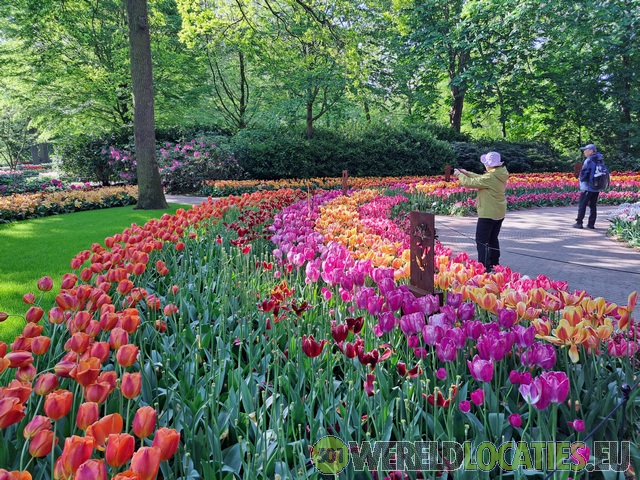
Netherlands - Keukenhof is one of the largest and most famous flower gardens in the world, located in Lisse, the Netherlands. The garden is open annually from March through May and attracts thousands of visitors from home and abroad each year. Keukenhof covers an area ...
The old mill of Zeddam
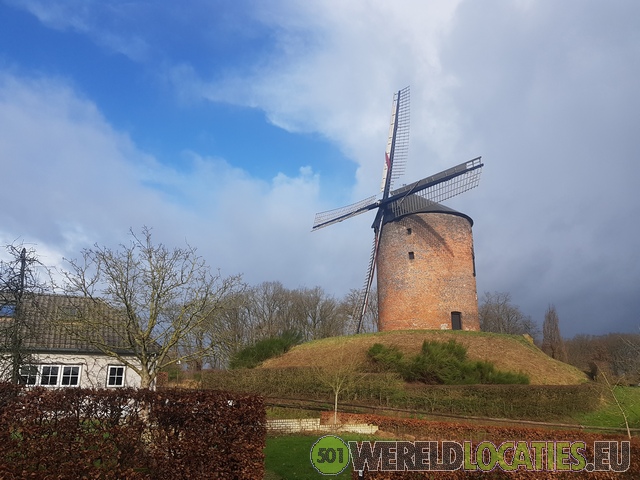
Netherlands - The old mill of Zeddam is one of the oldest mills in the Netherlands and a beautiful example of traditional Dutch windmills. This mill is located in the charming village of Zeddam, in the province of Gelderland, in the eastern Netherlands. The mill was ...
The windmills of Kinderdijk

Netherlands - The nineteen windmills of Kinderdijk symbolize the way the Netherlands manages its water. For a long time, they kept the land dry in an area plagued by subsidence and flooding: the Alblasserwaard, once a rough and marshy peatland, but eventually colonized ...